TRUE 800386 Oemg Control 077B6871
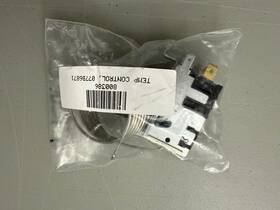
( Brand: True ), ( Manufacturer Part Number: 800386 ), ( Model: 077B6871 ), ( Part Type: Control )
Review TRUE New Oemg Temp Control
The OEMG Control 077B6871, manufactured by OEMG, is a high-performance automotive control module designed to deliver optimal engine functionality. This control module is specifically engineered for select vehicles and is an essential component of the engine management system.
The OEMG Control 077B6871 is a compact, yet robust device that integrates advanced algorithms and precise sensors to monitor and manage various engine functions. Its primary role includes controlling the fuel injection system, ignition timing, and exhaust gas recirculation to ensure efficient combustion and reduced emissions.
This control module is built with a state-of-the-art microcontroller that processes data from multiple sensors in real-time. It continuously analyzes engine performance data, such as air intake temperature, engine coolant temperature, and throttle position, to make adjustments that optimize engine performance, fuel economy, and emissions.
The OEMG Control 077B6871 is designed to work seamlessly with other engine management components, such as the powertrain control module and the vehicle's on-board diagnostics system. It communicates via a CAN (Controller Area Network) bus, enabling fast and reliable data transfer between modules.
The control module is also equipped with diagnostic capabilities, allowing it to detect and troubleshoot faults within the engine management system. It can store diagnostic codes and provide real-time feedback to technicians, making it easier to diagnose and repair vehicle issues.
The OEMG Control 077B6871 is built to meet the highest automotive industry standards for reliability and durability. It is designed to withstand the harsh conditions of the automotive environment, including extreme temperatures, vibrations, and electrical interference.
In summary, the OEMG Control 077B6871 is a sophisticated automotive control module that plays a crucial role in optimizing engine performance, fuel economy, and emissions. Its advanced algorithms, precise sensors, and robust design make it an essential component of modern vehicle engine management systems.
The part number (800386 OEMG CONTROL 077B6871) is not specific enough to identify a particular product without additional context. However, I can provide a general discussion on the pros and cons of buying OEM (Original Equipment Manufacturer) parts versus aftermarket parts.
OEM Parts: Pros:1. Guaranteed fit and function: OEM parts are designed and manufactured by the same company that produced the original equipment. They are engineered to meet the same specifications and perform identically to the original part.
2. Warranty coverage: OEM parts often come with warranties that cover defects and failures. This can provide peace of mind and reduce the risk of having to pay for repairs or replacements.
3. Long-term durability: OEM parts are typically made from higher-quality materials and are built to last longer than aftermarket parts.
Cons:1. Cost: OEM parts are often more expensive than aftermarket parts due to their higher quality and brand recognition.
2. Availability: OEM parts may not be readily available from local parts stores or online retailers, which can result in longer wait times for repairs.
Aftermarket Parts: Pros:1. Cost: Aftermarket parts are generally less expensive than OEM parts, making them a more affordable option for some consumers.
2. Availability: Aftermarket parts are widely available from various suppliers, which can make it easier to find and purchase the parts you need.
Cons:1. Fit and function: Aftermarket parts may not fit or function exactly like OEM parts. They may require modifications or adjustments to work properly.
2. Quality and durability: Aftermarket parts are often made from lower-quality materials and may not last as long as OEM parts.
3. Warranty coverage: Aftermarket parts typically do not come with warranties, which can increase the risk of having to pay for repairs or replacements.
Conclusion:When deciding whether to buy OEM or aftermarket parts, it's essential to consider the specific needs of your situation. If you prioritize fit, function, and long-term durability, then OEM parts may be the best choice. However, if cost is a significant factor, and you're willing to accept the potential trade-offs in terms of fit and function, then aftermarket parts may be a more affordable option. Ultimately, the decision comes down to balancing these factors and determining which one is the best fit for your particular situation.
Recommendation:If you're in a position where the fit and function of the part are critical, such as in a commercial or industrial setting, or if you're working on a high-value or high-performance vehicle, then it's generally recommended to invest in OEM parts. However, if you're working on a personal vehicle or a less critical application, and cost is a concern, then aftermarket parts may be a viable alternative. Regardless of which option you choose, it's essential to ensure that the part meets the necessary specifications and is compatible with your equipment before making the purchase.
Details:
part #: 800386 prices
- $124.97-$169.94
specifications diswashepar:
- brand: True
- mpn: 800386
- model: 077b6871
- part type: Control
payments diswashepar:
- wallet: Apple-pay
- credit card: Diners-club
- other
seller diswashepar:
- city: Henrico, Virginia
- # reviews: 23
- rating: 100.0%
offer diswashepar:
- quantity: 1
- options: Ship-to-home
- availability: In Stock
- started: May 22, 2025
- best offers: True
- sold: 0
shipping diswashepar:
- transit: 5-11 Days
- carrier: USPS
- class: Standard
- cost: $4.84
- type: Fixed
- service: USPS Ground Advantage
returns diswashepar:
- policy: No Returns
general diswashepar:
- Major Appliances > Major Appliances Parts Accessories > Dishwasher Parts
- condition: Open box
